


Beetroot juice and recovery: targeted benefits in female volleyball players
A small trial in female volleyball players suggests benefits for jumping and calf tenderness, but not across all recovery measures.
Read the newsRecent studies and announcements, explained with the same rigor as our analyses: sources, context, and the limitations of the data.
A small trial in female volleyball players suggests benefits for jumping and calf tenderness, but not across all recovery measures.
Read the news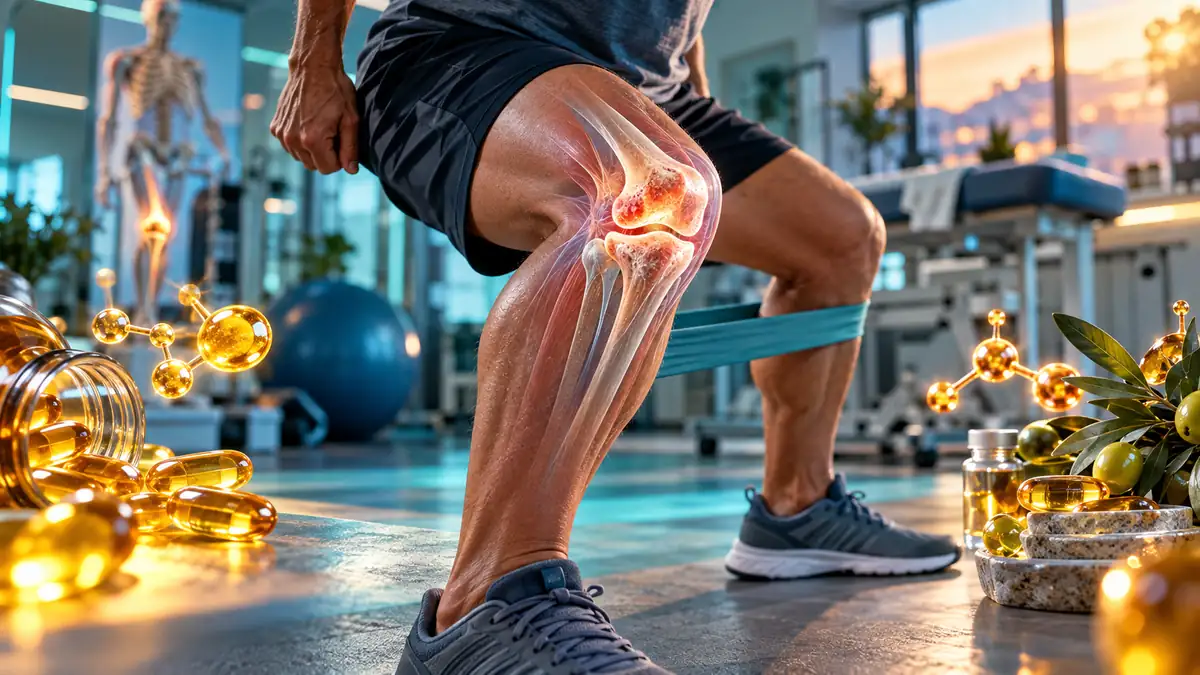
A pilot trial in 88 postmenopausal women shows no additional benefit from adding active vitamin D3 or vitamin E to home exercises.

In 18 adults with overweight or obesity, eight weeks of 2’-FL after vancomycin did not improve microbiome recovery compared with placebo.

In 20 trained freedivers, seven days of creatine appear to improve breath-hold cycling performance. The size of the benefit remains unknown from the abstract.

A review of 21 studies explores curcumin and its nanoformulations in preclinical models of ovarian cancer, without establishing their clinical efficacy.

In 40 trained basketball players, a four-week trial suggests a benefit from adding bicarbonate to sprint training. The size of the benefit and tolerability remain to be clarified.

A review explores the anti-inflammatory mechanisms of paeoniflorin. Clinical data remain limited, and its oral bioavailability is low.
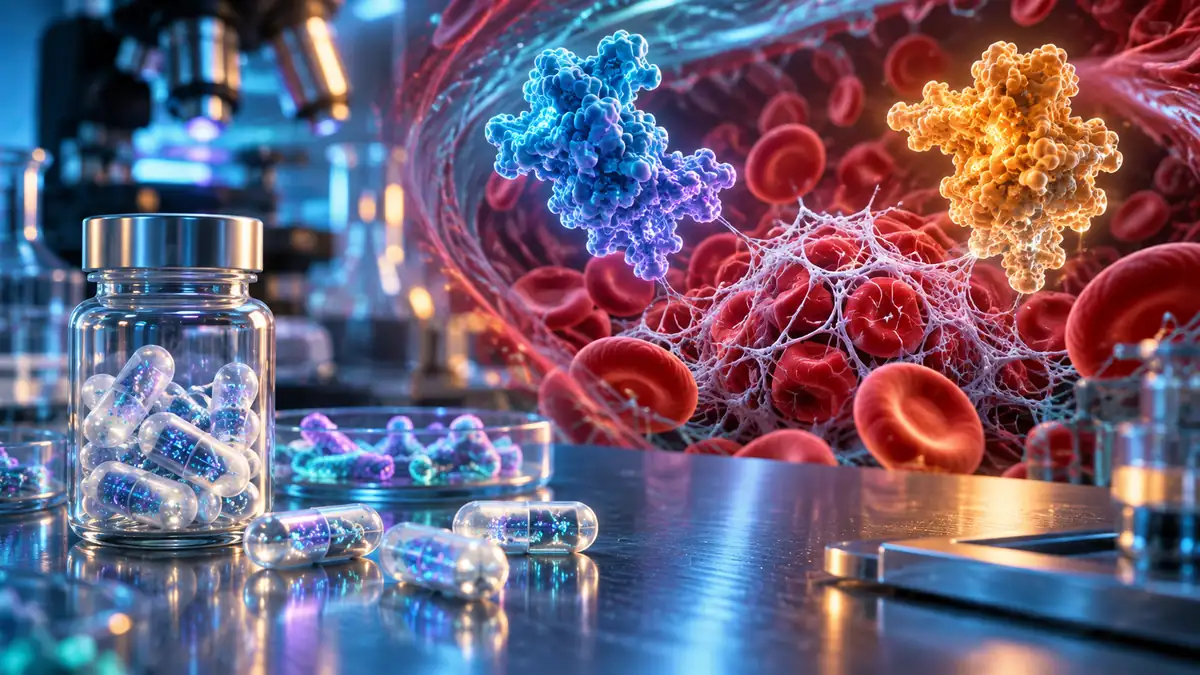
A meta-analysis of 15 trials shows no significant reduction in fibrinogen or PAI-1 with probiotics or synbiotics. The evidence remains low-certainty.

A trial in 30 female athletes reports changes in body composition with tangeretin, but the abstract does not allow the benefit over placebo to be quantified.

A trial in 48 military cadets reports improvements with Tabata, with or without cinnamon. The supplement’s added benefit remains uncertain.

A randomized trial observes changes in two markers related to mitochondria and antioxidant defenses, without establishing a clinical benefit.

A secondary analysis of a trial links microbiota functions to brain maturation in preterm infants, without demonstrating a neurological benefit.

A trial involving 84 people with irritable bowel syndrome found biological changes with zinc, but no significant improvement in sleep.

A genetic meta-analysis of 36,490 people explores links between circulating taurine and health, without testing supplement use.

A review excludes four trials of berberine in PCOS over integrity concerns. Its effectiveness cannot be established on this basis.

A placebo-controlled trial suggests symptom improvement with BL-99. The small sample size and short follow-up prevent conclusions about lasting benefits.

A four-week trial suggests a benefit from rose hip in adults with diabetes and orthostatic hypotension. These findings remain preliminary.

In 103 active adults, a morning blend shows some favorable signs after two weeks. Adding an evening blend provides no clear benefit.

A small two-week trial compares coriander, chlorhexidine and water. The microbial findings do not establish a clinical benefit.

A systematic review examines interactions between quercetin and medications. The mechanisms are plausible, but human data remain limited.