


Sleep apnea: strength training appears to improve perceived sleep quality in a small trial
In 25 adults with obstructive sleep apnea, eight weeks of strength training improved self-reported sleep, with no difference in sleepiness.
Read the newsRecent studies and announcements, explained with the same rigor as our analyses: sources, context, and the limitations of the data.
In 25 adults with obstructive sleep apnea, eight weeks of strength training improved self-reported sleep, with no difference in sleepiness.
Read the news
A protocol plans to test vitamin D for insomnia symptoms in Malaysian women with vitamin D deficiency. No efficacy results are presented.
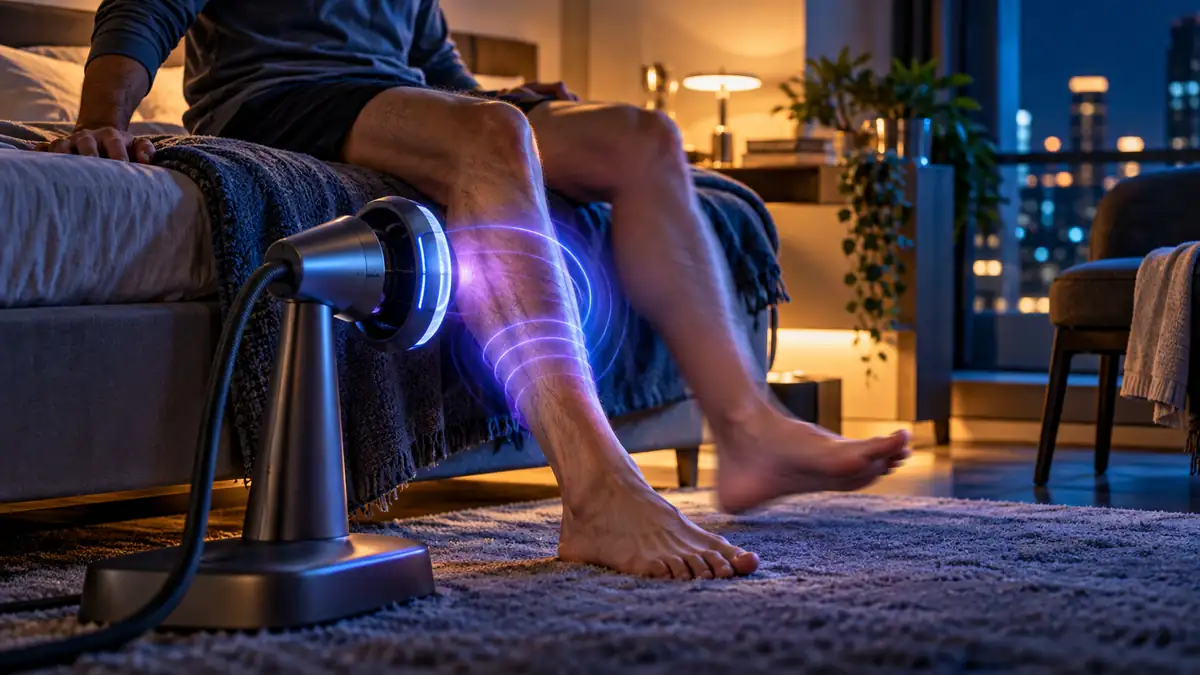
A meta-analysis of four studies suggests improvements in symptoms and sleep, but is not enough to establish a lasting benefit.

A review of nine trials on medical cannabis and insomnia finds uncertain sleep benefits and a possible increase in adverse effects.
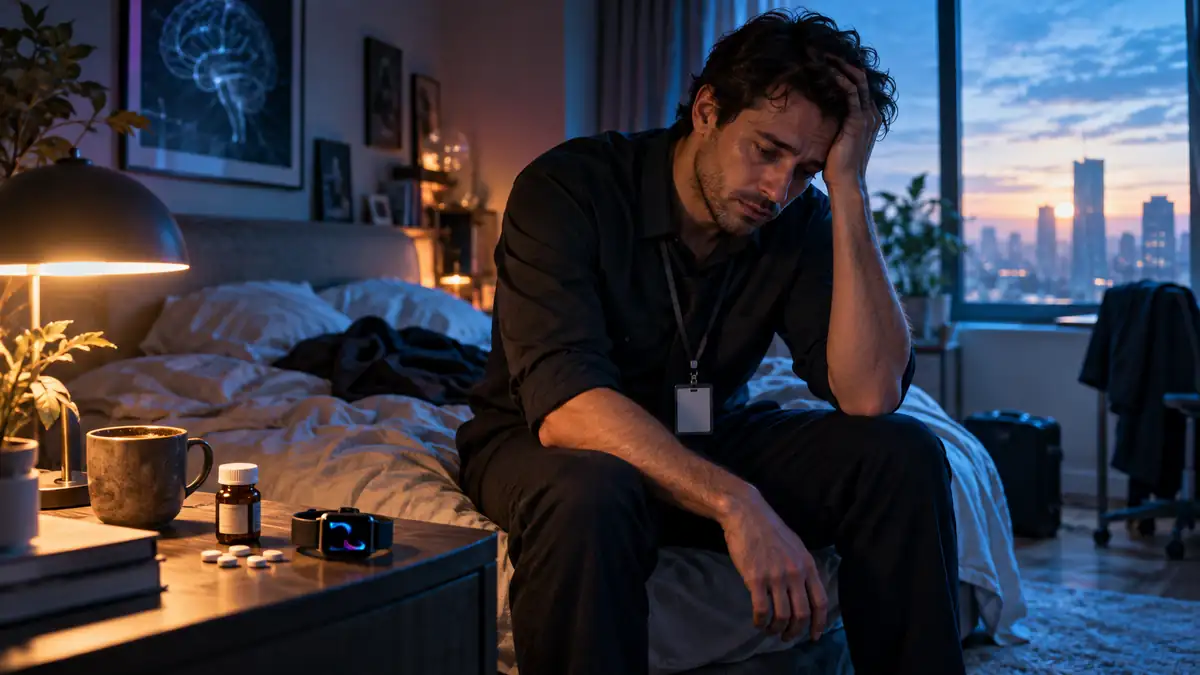
In 29 night workers, a pilot trial shows no significant improvement in daytime sleep with lemborexant compared with placebo.

A meta-analysis of six trials reports fewer apneas and hypopneas, but highly variable results and no evidence that these treatments can replace CPAP.

A review of eleven studies associates benzodiazepines with more heart failure-related events, without demonstrating a causal effect.

A meta-analysis of ten trials suggests better postoperative sleep, but the heterogeneity of the results limits confidence in this benefit.