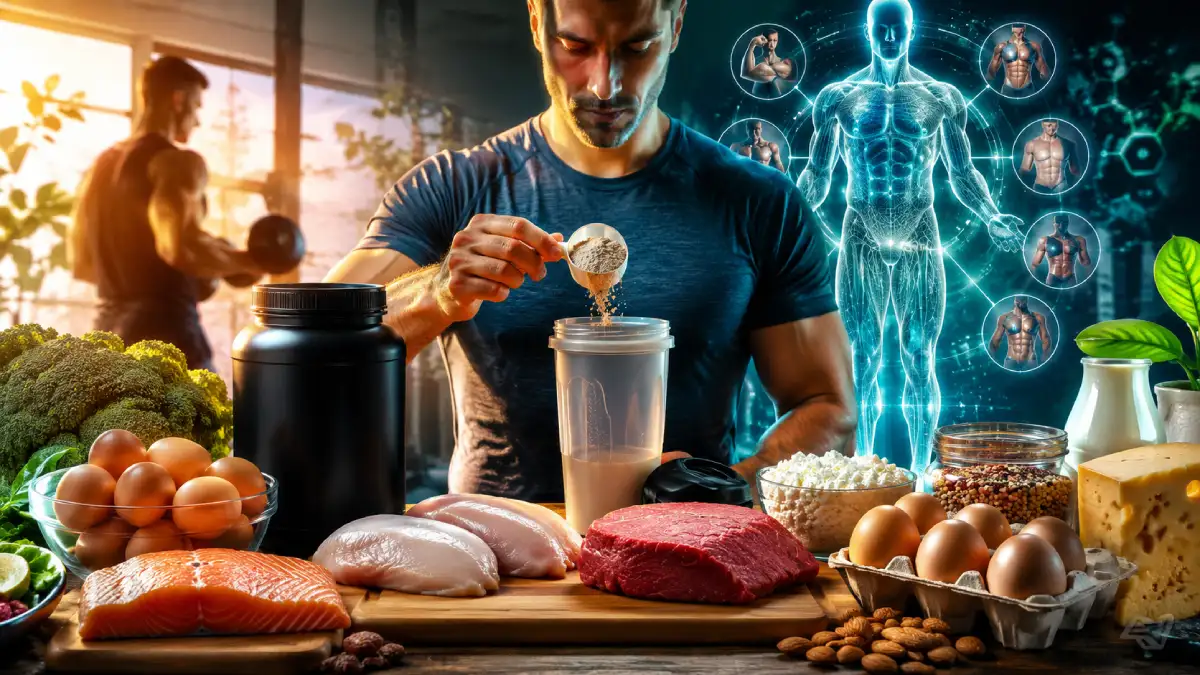
The quick choice based on your workout
Most people who exercise do not need a recovery drink. After a workout lasting less than an hour in cool weather, followed by a meal within two hours, water and that meal cover everything: fluid volume, sodium, glycogen and protein.
A dedicated drink becomes useful in three situations: a long or very sweaty session, intense heat, or a meal more than two hours away. The following matrix sums up the decision before we get into the details.
| Your situation | First step | Drink if needed |
|---|---|---|
| Less than 1 h, cool weather, meal soon | Water according to thirst | Nothing else |
| More than 1 h 30 min or intense heat | Water with sodium and carbohydrates | Electrolyte or sports drink |
| Meal more than 2 h away | Liquid snack | Milk, chocolate milk or a shake with carbohydrates |
| Two workouts close together | Fast-acting carbohydrates and protein promptly | Drink with measured amounts of carbohydrates and protein |
| No appetite after exercise | Nourishing liquid | Milk or a shake rather than a soft drink |
This guide covers only post-exercise recovery and drink categories. For a detailed homemade recipe, go straight to the guide to homemade electrolytes for hot weather · FR. For the full meal framework, see nutrition before, during and after exercise · FR.
When are water and a meal enough?
Water restores lost fluid volume and the meal provides everything else, provided three conditions are met. The workout lasted less than an hour without extreme heat. Sodium losses remain moderate, with no white marks on your clothes or unusual cramps. A complete meal with starchy foods and 20–40 g of protein follows within two hours.
In this common situation, a recovery powder mainly adds calories and cost. The 2026 narrative review of sports drinks confirms this hierarchy: the benefits of an appropriate intake of water, electrolytes and carbohydrates for hydration and performance are well established, while the broader effects attributed to functional formulas on inflammation, immunity and recovery remain context-dependent. In other words, proven basics beat fancy uncertainty.
The exception that proves the rule is back-to-back training. With less than four hours before your next workout, carbohydrate timing matters: around 1.2 g per kilogram per hour when the turnaround is short, as detailed in the guide to carbohydrate timing · FR. In that case, waiting for dinner is no longer enough.
Rehydration: water, sodium and actual losses
After exercise, drinking the exact volume you lost is not enough, because some is excreted in urine. The reference protocol involved drinking 150% of losses: that is the approximate amount to aim for after significant dehydration, spread over several hours rather than downed in one go.
Sodium is what separates a proper rehydration drink from plain water. It stimulates thirst, helps retain the water you drink and replaces sweat losses. A sports drink typically provides several hundred milligrams of sodium per litre, compared with around ten in tap water. After a very sweaty workout, look for this information first on the label, expressed in milligrams per litre or per serving.
To estimate your losses without a laboratory, use the following method:
- weigh yourself before and after, under the same conditions, to work out your fluid deficit in kilograms
- aim to drink around one and a half times that deficit over the following hours
- add sodium if the workout lasted more than an hour, it was hot or your clothes are streaked with salt
- watch your urine colour: pale yellow within a few hours indicates that rehydration is underway
Sparkling water is neither better nor off-limits: it hydrates just as well, but the bubbles make large volumes uncomfortable for some people. Highly mineralised waters provide some sodium and magnesium, but do not replace a drink with measured amounts after heavy sweating. The comparison with marine plasma is covered in the head-to-head Quinton or electrolytes · FR.
Carbohydrates and protein: who needs them after exercise?
Carbohydrates replenish glycogen and protein repairs muscle, but their urgency differs. Glycogen becomes the priority after prolonged exercise or before another workout soon afterwards. Protein matters after every workout that loads the muscles, without minute-by-minute urgency: a daily total of 1.4–2 g per kilogram and 20–40 g per meal underpin most of the adaptation.
Milk illustrates this dual role well. With around 3.3 g of protein and 4.8 g of lactose per 100 mL, half a litre provides around 16 g of protein and 24 g of carbohydrates, plus calcium and some sodium. Two recent studies help put it in perspective. A 2026 meta-analysis of 12 randomised trials concludes that milk after exercise may reduce subsequent energy intake compared with carbohydrate drinks, with inconsistent effects on subjective appetite. A crossover trial in 16 young female athletes found no difference between 250 mL of water, milk or kefir in performance, heart rate variability or fluid balance at 90 minutes. Milk is therefore a decent liquid snack, not a potion superior to an equivalent meal.
Chocolate milk follows the same logic with more carbohydrates: practical and easy to drink when you have no appetite, without evidence that it is superior to a meal providing the same nutrients. Protein powders with added carbohydrates are only justified in this specific niche: a distant meal, no appetite or very high needs. To put things together without powder, the table of protein-rich foods · FR gives portions by goal.
Water, milk, electrolytes and powders: comparison table
Each category excels at one link in the chain and leaves the rest to your meal. The table compares realistic servings, not marketing doses.
| Drink, realistic serving | Hydration | Carbohydrates | Protein | When to choose it |
|---|---|---|---|---|
| Water, 500 mL to 1 L | Good fluid volume, no sodium | Zero | Zero | Short workout, meal soon |
| Electrolyte drink, 500 mL | Very good with measured sodium | Low to moderate | Zero | Heat, heavy sweating, prolonged exercise |
| Semi-skimmed milk, 500 mL | Decent, some sodium | Around 24 g | Around 16 g | Meal a long way off, no appetite |
| Chocolate milk, 500 mL | Decent | Around 50 g | Around 16 g | Glycogen replenishment plus protein in liquid form |
| Whey and carbohydrate shake, 1 serving | Moderate on its own | Depends on the formula | 20–30 g | High needs, no meal possible |
| Regular beer, 25 cL | Decent volume, contains alcohol and almost no sodium | 7–9 g | Less than 1 g | Occasional enjoyment, not recovery |
Beer is included here for completeness: a detailed analysis shows that it does not help recovery or treat muscle soreness, as explained in the article on beer after exercise · FR.
How to read a recovery drink label
At the shelf, turn the packaging over and apply the following checklist in order. The first three criteria rule out most poor choices.
Check the following before buying:
- sodium in milligrams per litre or per serving: this is the first marker of a proper rehydration drink
- carbohydrates in grams per serving and types of sugar: match them to exercise duration, not taste
- protein in grams per serving and its source: aim for 20–30 g if the drink replaces a meal
- stated serving volume: many labels use 250 mL when the bottle holds 500
- added caffeine, creatine or botanicals: useful or not depending on the time and goal, never something to dismiss in the evening
- price per workout, not per tub: divide the price by the number of actual servings you will use
Watch out for these signs: vitamins highlighted without a sodium figure, muscle recovery promises without quantified protein, unrealistic 100 mL servings to inflate the serving count, and brand comparisons without numbers. A clear label gives grams and milligrams, not superlatives.
Homemade options and common mistakes
The most sensible homemade version combines water, salt and sugar or juice, using the quantities in the dedicated guide to homemade electrolytes · FR. It costs a few cents, can be adjusted to the situation and avoids unnecessary additives. Milk, chocolate milk, and water plus a meal remain the no-preparation alternatives.
The costliest mistakes keep coming back. Drinking a litre of plain water after a session with heavy salt losses dilutes sodium without replacing it. Sipping a recovery drink when a meal follows within the hour adds calories without measurable benefit. Choosing a caffeinated formula after an evening workout buys recovery at the expense of sleep. Confusing quenched thirst with complete rehydration means missing the window over the following hours. And relying on a drink to compensate for a chronic energy deficit sustains fatigue instead of correcting it.
Digestive, renal and metabolic precautions
A concentrated drink consumed too quickly causes bloating, nausea or diarrhoea, especially with excess fructose or a large volume downed in one go. Test any formula in training, never on competition day. People with renal impairment, heart failure, hypertension requiring a sodium-restricted diet or diabetes must check sodium and sugars with their doctor: what rehydrates a healthy athlete can complicate a condition affecting fluid balance.
The lactose in milk causes problems for people with lactose intolerance: choose a lactose-free version or another protein source rather than suffering through your next workout. High-protein powders do not damage healthy kidneys at usual doses, but they do not fix insufficient sleep or inadequate energy intake either. Conversely, drinking far beyond thirst and losses puts you at risk of exercise-associated hyponatraemia, with nausea, confusion and swelling: the international consensus recommends drinking to thirst during prolonged exercise rather than forcing set volumes. If you have persistent vomiting, dizziness, confusion, very dark urine or no urine, or rapid weight gain with swelling after exercise, seek medical advice without delay.
Le Biohacker verdict
The best recovery drink is the one that fills your current gap. Water and a meal after an ordinary workout. Salted water and carbohydrates after long, hot sessions. Milk or a shake when your next meal is a long way off. A complete powder only when a meal is impossible. Everything else is marketing.
If you change just one habit, make it this: estimate your losses, drink around one and a half times that volume with sodium when you have really sweated, then eat carbohydrates and 20–40 g of protein. No bottle consistently beats that trio.