


Working in the heat: fixed-volume hydration may exceed water losses
In 20 adults, a fixed-volume hydration strategy prevented substantial body mass loss but produced a positive fluid balance.
Read the newsRecent studies and announcements, explained with the same rigor as our analyses: sources, context, and the limitations of the data.
In 20 adults, a fixed-volume hydration strategy prevented substantial body mass loss but produced a positive fluid balance.
Read the news
A review of twelve studies examines AI-based prediction of craniofacial growth. Its superiority over conventional statistical methods remains to be established.

A review of seven studies examines the link between a BDNF gene variant and cognition after stroke. The findings do not support individual prediction.
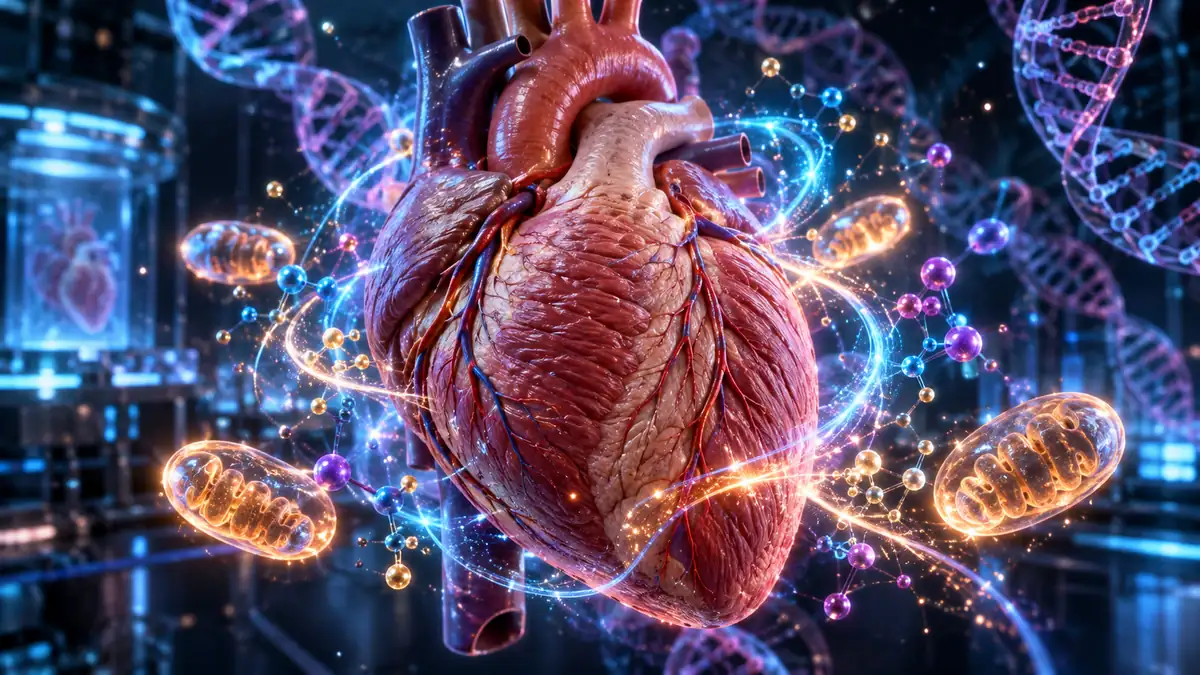
A review of 14 studies describes metabolic disturbances in hypertrophic cardiomyopathy without identifying a signature specific to genetic variants.

In 103 active adults, a morning blend shows some favorable signs after two weeks. Adding an evening blend provides no clear benefit.
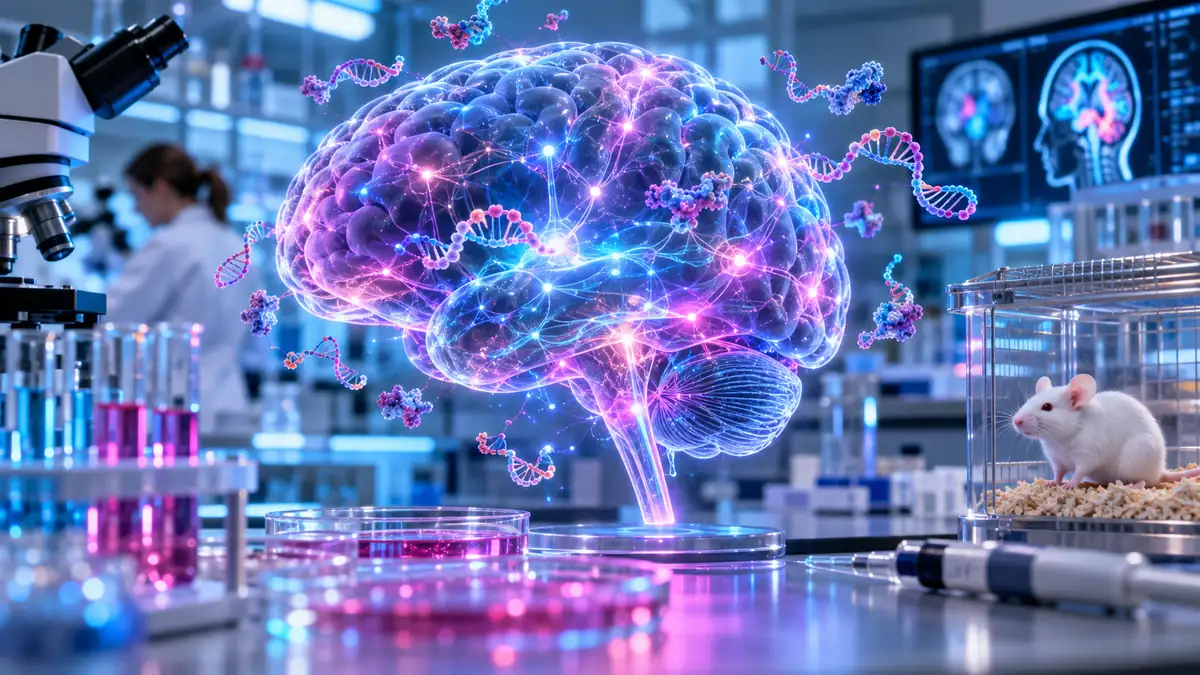
A review of 37 studies explores microRNAs derived from mesenchymal stem cells in Parkinson’s, Alzheimer’s and stroke. No benefit in humans has been established.
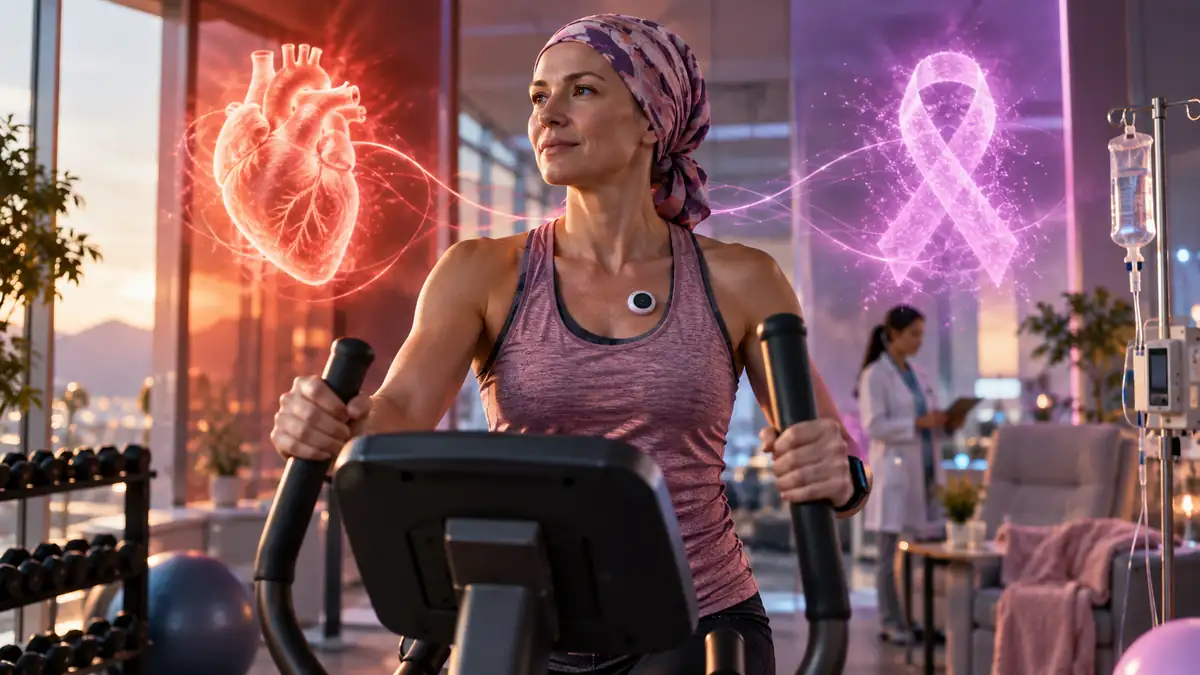
A review of seven randomized trials does not confirm that exercise preserves cardiac function during certain breast cancer treatments.

A small two-week trial compares coriander, chlorhexidine and water. The microbial findings do not establish a clinical benefit.

An analysis of BrainFit-Nutrition observes a reduction in alcohol consumption at 12 months in two nutritional counseling groups, without establishing a cognitive benefit.

A meta-analysis of ten trials suggests better postoperative sleep, but the heterogeneity of the results limits confidence in this benefit.

A systematic review examines interactions between quercetin and medications. The mechanisms are plausible, but human data remain limited.

A small trial of a chickpea protein hydrolysate reports biochemical changes but measures neither recovery nor performance.
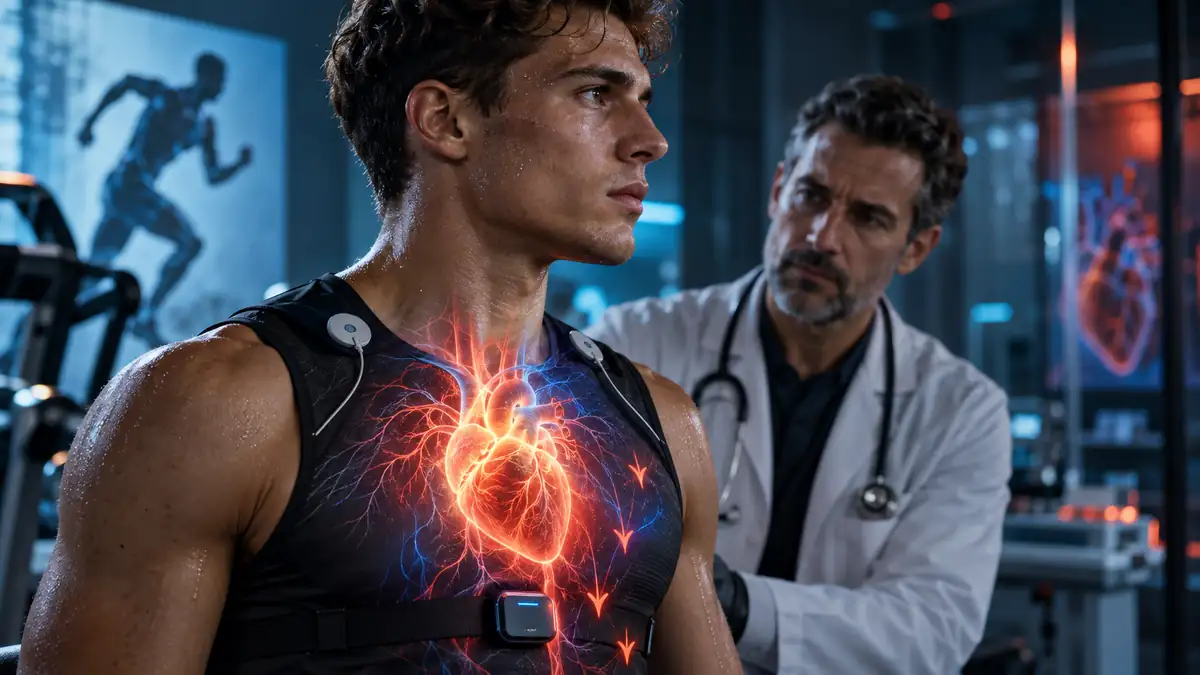
A meta-analysis estimates that inverted T waves occur in 4% of athletes over 16. Their significance requires evaluation.

A trial suggests sustained benefits after 20 hours of digital cognitive training, but their magnitude and the advantage over games remain unclear.

A review of 41 studies in football players reports mixed results and very low-certainty evidence, despite some favorable signals.

A trial involving 24 cyclists reports increased power with bicarbonate, without demonstrating better long-term adaptations.

A meta-analysis of 63 studies suggests that adding creatine to resistance training improves strength and lean mass, but not fat mass.