The short answer
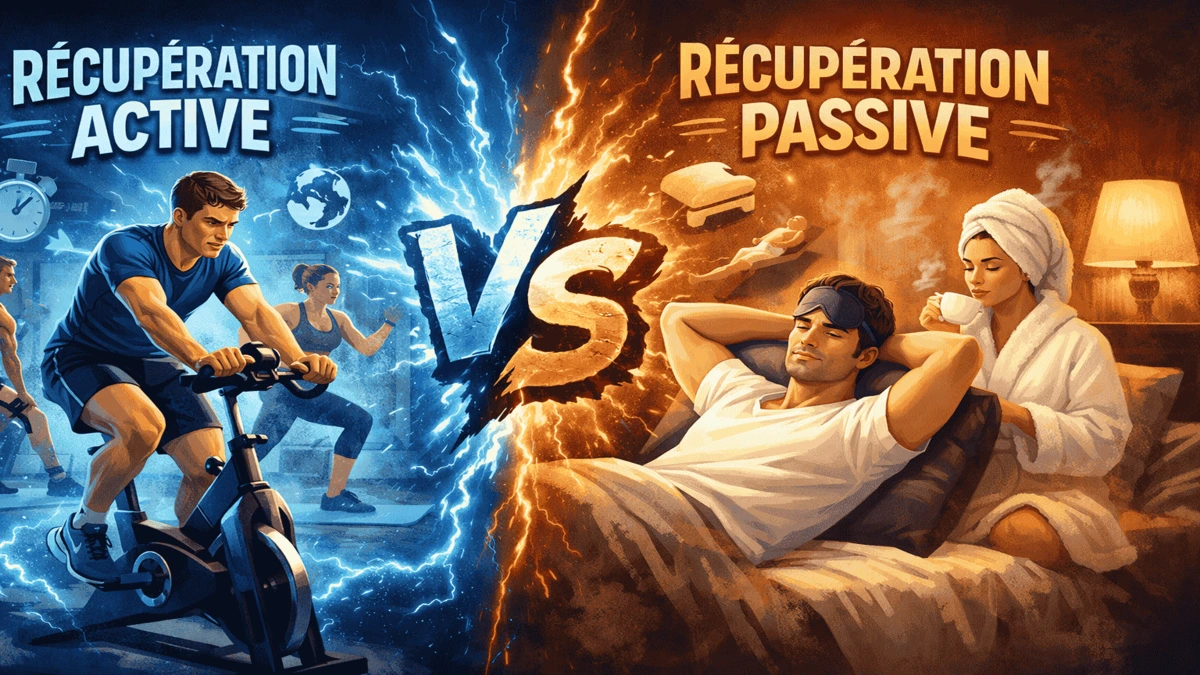
Active recovery is light movement performed after exercise or between efforts. Passive recovery means sitting, lying down or staying still. The best choice depends on the outcome you want and the time before your next performance.
An active cool-down speeds up blood lactate clearance. This finding is real, but often overinterpreted. A review of cool-downs concludes that light activity does little or nothing to improve performance later that day or over the following days, does not prevent injuries and does not reliably reduce soreness. It can, however, support a gradual cardiovascular transition and feel pleasant.
The practical verdict is therefore conditional: move for a few minutes if it makes you feel better, rest if you need to conserve energy, and do not confuse a drop in lactate with complete repair.
The terms cover several different moments
“Active recovery” can describe three different situations:
- a cool-down immediately after a session
- the easy periods between interval repetitions
- light activity the day after exercise
These interventions do not serve the same purpose. Between intervals, the choice directly affects the next repetition. After a session, it is mainly about the transition. The next day, it becomes a new bout of activity with its own costs and benefits.
“Passive” does not necessarily mean spending an entire day in bed. Sleep, nutrition and time without intense training are forms of recovery, but you can take a break from training while still walking and going about your normal life.
Lactate: a marker that distracts from the decision
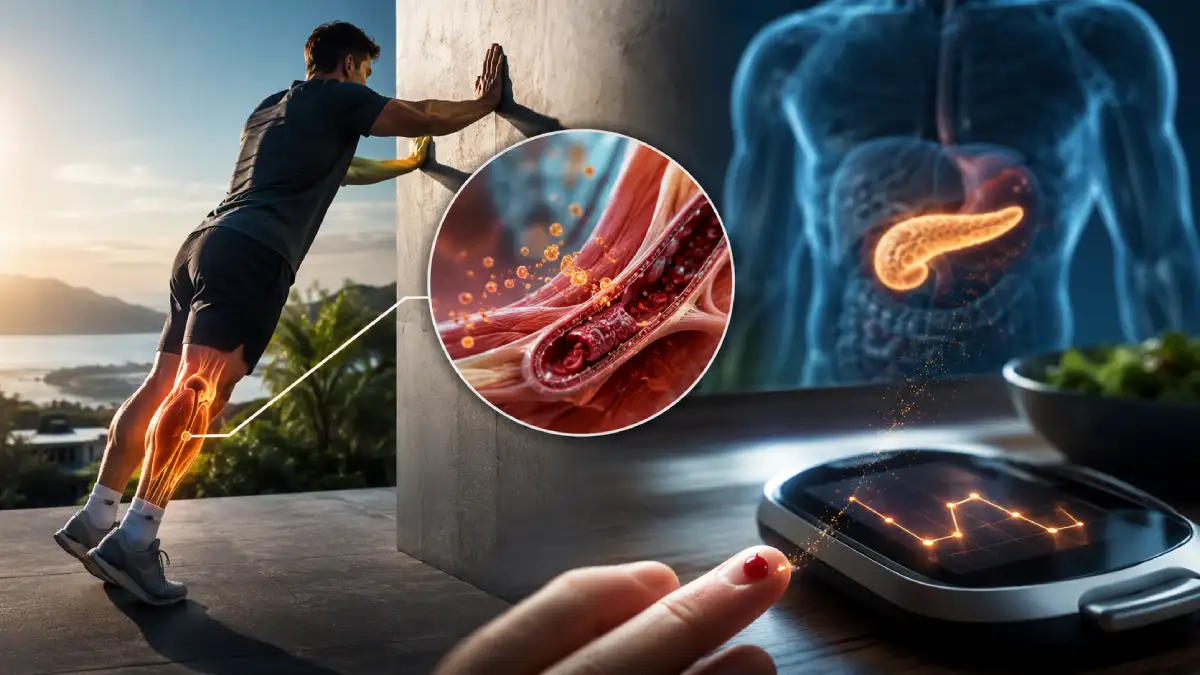
During intense exercise, lactate production and use increase. Lactate circulates between tissues and serves as an energy substrate. It is not a lymphatic toxin trapped in your muscles.
Light activity maintains blood flow and oxidation, often speeding up the drop in blood lactate. Yet lactate returns towards its usual level well before soreness peaks. Speeding up this drop therefore does not automatically mean:
- less muscle damage
- less inflammation
- greater protein synthesis
- complete nervous system recovery
- better performance the next day
This mismatch explains why an intervention can “clear lactate” without changing the outcome you care about.
Soreness and performance: what the reviews say
A meta-analysis of 99 studies on different strategies observed reduced soreness with several techniques, including active recovery, massage, compression and immersion. Effects and markers varied, and massage stood out more for soreness and perceived fatigue.
A more recent review focusing on endurance athletes included 22 reviews and 63 studies. It found no recovery strategy with benefits consistent enough to recommend across the board. There were some favourable findings for compression and cryotherapy, but heterogeneity and limited data on timing restricted the conclusion.
Perceptions can still matter. If ten minutes of easy pedalling reduces the feeling of heavy legs without adding fatigue, it can be useful even without a spectacular biological effect.
When active recovery makes sense
After an interval or competition
Very easy walking or pedalling eases the transition from an elevated heart rate to rest. This is particularly reasonable after a race, fast repetitions or an effort that leaves you dizzy when you stop suddenly.
The movement must stay easy. If you cannot speak normally, you are probably no longer cooling down.
Between performances close together
When the next round is only a few minutes away, the strategy depends on the sport. Light activity can maintain temperature and help lower lactate, but it also uses energy. Test the protocol in training rather than on competition day.
The next day
Walking, easy cycling or gentle swimming may reduce perceived stiffness. This activity should not compromise planned performance or prolong pain. It remains a comfort choice, not a mandatory “flush-out”.
When passive recovery is preferable
Rest takes priority in several situations:
- intense heat or signs of dehydration
- exhaustion after a long competition
- acute pain, injury or feeling unwell
- a need to replenish energy stores quickly before another effort
- sleep debt or illness
- light activity that increases soreness or fatigue
After a strength session, walking for a few minutes does not block mTOR. However, turning recovery into 30 minutes of sustained cardio increases concurrent training volume and energy expenditure. The issue is the dose, not movement itself.
Decision matrix by goal
Focus on the outcome you want to optimise rather than a universal rule.
| Situation | Starting option | Why | Limitation |
|---|---|---|---|
| End of an interval session | 5 to 10 min very easy | Gradual transition, comfort | Little demonstrated effect on the next day |
| Strength or hypertrophy | 3 to 8 min walking, then rest | Cool-down without substantial volume | Does not replace sleep and nutrition |
| Two rounds on the same day | Tested protocol, active or passive | Depends on the time available and the sport | Activity can use energy |
| Next-day soreness | 10 to 20 min easy if it feels good | May reduce perceived stiffness | Not proven to speed up repair |
| Heat, feeling unwell or injury | Rest, cooling and assessment | Safety comes first | No forced “flush-out” |
A simple protocol, no magic timeline
Straight after the session
Gradually lower the intensity over five to ten minutes. Walk or pedal at a perceived effort of 1 to 2 out of 10. Breathing should become comfortable again.
Then do a quick check:
- are your heart rate and breathing gradually returning to normal?
- is there any unusual pain?
- are you thirsty, cold, very hot or dizzy?
- is another performance planned for the same day?
The protocol ends there if you feel well. There is no need to add forced breathing, compression boots and a sauna.
Within two hours
Replenish fluids and eat according to the duration, heat and goal. A long session or another competition soon afterwards calls for more attention to carbohydrates, sodium and protein than an easy 30-minute session.
Avoid relying solely on urine colour immediately after exercise. Thirst, weight loss and context also provide information.
The next day
Assess function rather than soreness alone. Ask yourself whether you can walk normally, go down stairs and perform your planned warm-up. If so, easy activity is an option. If movement deteriorates, replace the hard session with rest or pain-free activity.
Reassess the protocol after three to four similar bouts. Keep it only if it improves comfort or your next performance.
Compression, cold, massage and heat
These methods serve different goals. Massage and compression may reduce perceived pain in some athletes. Cold may help with rapid recovery in competition settings, but repeated use immediately after strength training may not align with an adaptation goal. The article on a cold bath after strength training · FR explains this trade-off.
Heat adds cardiovascular and thermal stress. It is not a passive recovery phase and has no place after dehydration or feeling unwell. A sauna after training · FR should be treated as a separate exposure.
More tools do not mean more recovery. If you cannot identify the intended outcome, do not add the method.
Safety and warning signs
A cool-down does not treat an emergency. Stop activity and seek assessment if you have chest pain, feel unwell, experience confusion, disproportionate breathlessness, palpitations with dizziness, acute pain or an inability to bear weight.
Very dark urine combined with intense muscle pain, swelling and weakness after unfamiliar exercise may suggest rhabdomyolysis and requires urgent care. Do not try to “flush out waste” by adding cardio. If you are unsure about persistent pain or returning to exercise after illness, seek advice from a doctor or healthcare professional.
Independent verdict
Active recovery clearly wins on one marker: blood lactate drops faster. It does not consistently win on the outcomes that matter afterwards, such as soreness, strength or performance.
Use five to fifteen easy minutes for comfort and transition, not to artificially repair muscle. Choose rest when energy, heat, pain or the time before your next session calls for it. The best recovery is still the one that matches the actual demands and improves an observable outcome.