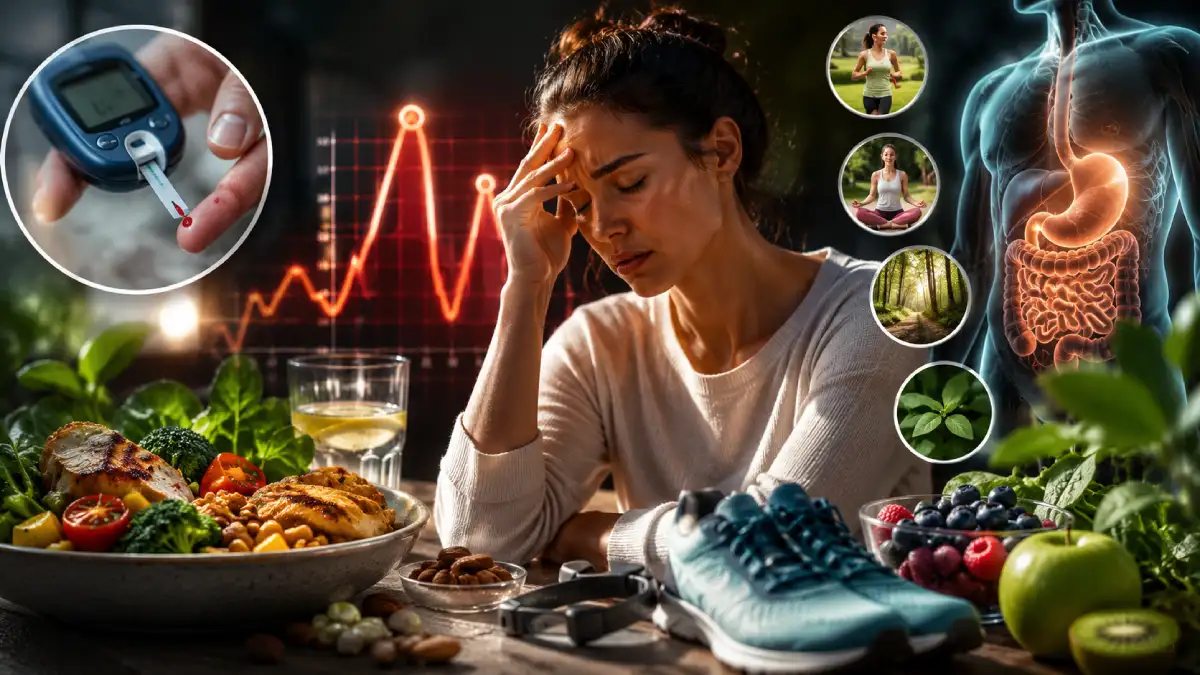
Shaking, a racing heart, and sudden hunger two hours after a sugary breakfast: it looks like hypoglycemia, but most of the time, your blood glucose is not actually low. It is adrenaline reacting to a rapid drop. The distinction changes everything: true hypoglycemia is confirmed by a measurement; feeling unwell because of adrenaline is addressed by changing the composition of your meal.
The instinctive response is to reach for more sugar as soon as you start shaking. It brings relief within ten minutes and often keeps the cycle going: a big glucose spike, a big insulin response, a rapid drop, an adrenaline alarm, another sugary bar. This guide helps you identify what is really happening, then flatten the rise to avoid the crash.
True hypoglycemia or just the feeling of a drop?
In someone taking neither insulin nor glucose-lowering medication, true hypoglycemia is relatively rare. The body has several overlapping systems to defend blood glucose levels. When blood glucose starts to fall, insulin secretion decreases. The pancreas then increases glucagon, which stimulates the liver to release glucose.
Adrenaline also plays a role. It increases glycogen breakdown, limits glucose use in certain tissues, and triggers sensations designed to prompt the person to eat.
To confirm a hypoglycemic disorder, doctors look for Whipple’s triad:
- Compatible symptoms
- Low plasma glucose at the same time
- Symptoms resolving after glucose rises
In someone without diabetes, a single sensor reading is not enough. Sensors measure glucose in interstitial fluid, not directly in the blood. They also have a physiological lag, and their accuracy decreases at low values.
A reading below 70 mg/dL can serve as a warning signal, but it does not prove a medical condition on its own. During a specialist assessment, plasma glucose around 55 mg/dL or lower during symptoms has greater diagnostic value.
Symptoms of reactive hypoglycemia
Symptoms can be divided into two categories.
Neurogenic symptoms
These mainly arise from activation of the sympathetic nervous system and adrenal glands:
- Shaking
- Palpitations
- Sweating
- Urgent hunger
- Anxiety
- Tingling
- Feeling hot
- Weakness
Neuroglycopenic symptoms
These occur when the brain genuinely receives too little glucose:
- Difficulty thinking
- Blurred vision
- Confusion
- Speech difficulties
- Unusual behavior
- Drowsiness
- Loss of coordination
- Seizure
- Loss of consciousness
Neurogenic symptoms are not very specific. A high dose of caffeine, an anxiety attack, dehydration, or an adrenaline surge can produce an almost identical picture. Neuroglycopenic symptoms are more concerning and warrant prompt medical assessment.
The mechanism behind the post-meal drop
After a meal rich in refined carbohydrates, glucose quickly enters the bloodstream. The pancreas normally responds in two phases. The first phase releases insulin already stored in beta cells. It quickly limits the rise in glucose.
The second phase relies on sustained secretion of newly produced insulin. In some people, the first response may be delayed or poorly coordinated. Blood glucose then rises further, triggering a larger second insulin response.
When glucose from food stops arriving, insulin may remain temporarily elevated. Blood glucose then falls rapidly. Gut incretins also contribute to the mechanism. GLP-1 and GIP are released after nutrients reach the intestine and amplify insulin secretion.
After certain bariatric surgeries, the very rapid passage of nutrients into the intestine can cause excessive GLP-1 release and more severe hyperinsulinemic hypoglycemia.
In someone who has not had digestive surgery, the mechanism is often less dramatic and depends on several variables:
- Carbohydrate quantity
- Absorption rate
- Insulin sensitivity
- Incretin response
- Gastric emptying
- Physical activity
- Stress
- Sleep
- Caffeine
Idiopathic postprandial syndrome
Some people experience typical symptoms two to four hours after a meal, but their blood glucose never falls to a genuinely hypoglycemic level. This situation is sometimes called idiopathic postprandial syndrome.
The symptoms are real. They may result from a rapid drop from a high value to a normal value, heightened sensitivity to adrenaline, or an interaction between diet, stress, and the autonomic nervous system.
Example:
| Time | Blood glucose |
|---|---|
| Before the meal | 85 mg/dL |
| After the meal | 165 mg/dL |
| Two hours later | 82 mg/dL |
The final blood glucose level is not low. Still, the 83 mg/dL drop can feel abrupt. In this case, immediately eating a large amount of sugar can restart exactly the same sequence.
Reducing the initial spike remains the priority.
1. Document episodes for seven days
Before cutting out food groups, keep a detailed log.
For each episode, record the following:
| Variable | Information |
|---|---|
| Meal time | Time the meal started |
| Composition | Foods and approximate quantities |
| Symptom time | Time elapsed since the meal |
| Symptoms | Hunger shaking fatigue confusion |
| Blood glucose | Finger-prick or sensor if available |
| Caffeine | Dose and timing |
| Physical activity | Type duration and intensity |
| Stress | Score from 0 to 10 |
| Previous sleep | Duration and quality |
A finger-prick measurement taken with clean hands during symptoms is more useful than an estimate made an hour later. A continuous glucose monitor can reveal trends. It should not become a source of anxiety or replace confirmation of low readings.
Focus mainly on recurring patterns:
- Symptoms after a sugary breakfast
- Episodes after a liquid meal
- Symptoms on stressful days
- A drop after a workout
- Episodes after drinking alcohol
- Low readings while fasting or at night
Fasting or nighttime episodes are less consistent with the classic pattern of reactive hypoglycemia and warrant medical assessment.
2. Reduce the glycemic load of meals
The glycemic index measures how quickly a standardized amount of carbohydrate raises blood glucose. Glycemic load also accounts for the amount actually consumed. A small portion of a high-index food may have a limited impact. A huge portion of a moderate-index food can cause a substantial glucose excursion.
The full mechanism is explained in our comparison of glycemic index and glycemic load · FR.
Prioritize cutting back on the following sources:
- Fruit juice
- Soft drinks
- White bread
- Sweet pastries
- Puffed cereals
- Candy
- Large portions of white rice
- Instant mashed potatoes
- Desserts eaten on their own
Replace them with slower-digesting, less refined carbohydrates:
- Lentils
- Chickpeas
- Beans
- Oats
- Barley
- Quinoa
- Sweet potato
- Whole fruit
- Dense sourdough bread
The goal is not necessarily to eliminate all carbohydrates. Excessive restriction can reduce energy intake, make training harder, and increase food anxiety.
3. Pair carbohydrates with protein, fiber, and fat
Carbohydrate eaten on its own generally leaves the stomach and reaches the intestine faster. Protein, fiber, and fat slow gastric emptying and alter the hormonal response to the meal.
They often reduce the size of the glucose spike, but their effects on insulin differ.
Some proteins, particularly dairy proteins, can strongly stimulate insulin. They remain useful as part of a balanced meal, but it would be incorrect to claim that all protein automatically reduces insulin secretion.
Build each main meal around this structure:
| Component | Example |
|---|---|
| Protein | Eggs fish chicken tofu Greek yogurt |
| Fiber | Vegetables legumes whole fruit |
| Fat | Olive oil avocado nuts |
| Carbohydrate | Oats lentils brown rice sourdough bread |
For breakfast, use a protein-rich base rather than a pile of flour and sugar. The protocol for a high-protein breakfast to stabilize blood glucose and cortisol provides several practical options.
4. Change the order you eat foods
The order you eat foods can change the glucose curve without changing the foods in your meal. Vegetables slow carbohydrate delivery thanks to their fiber. Protein and fat modulate gastric emptying and digestive signals.
The practical sequence is:
- Vegetables or raw vegetables
- Protein and fat
- Starchy foods or bread
- Dessert, if any
Leave five to ten minutes between starting your vegetables and the main carbohydrate portion when it feels natural. This strategy does not make a massive dessert metabolically neutral. It mainly reduces the size of the response to a reasonable meal.
Our guide to food order for a smoother blood glucose curve · FR explores this method in more depth.
5. Walk after meals without triggering a drop
Muscle contractions stimulate GLUT4 translocation to the muscle cell membrane. This mechanism allows muscles to take up glucose with somewhat less dependence on insulin.
A gentle walk after a meal can therefore limit the glucose spike and reduce the amount of insulin needed.
The post-meal protocol
| Variable | Target |
|---|---|
| Start | Within 15 to 30 minutes after the meal |
| Duration | 10 to 15 minutes |
| Intensity | Easy to moderate |
| Frequency | After one or two main meals |
| Guide | Able to talk without getting out of breath |
Avoid a very intense workout immediately after a meal if you already experience symptomatic episodes. Intense exercise greatly increases muscle glucose uptake and may cause or worsen a later drop in some people.
Start with the protocol for a ten-minute walk after a meal · FR.
6. Use apple cider vinegar as a secondary tool
Acetic acid may slow gastric emptying, reduce the activity of certain digestive enzymes, and temporarily improve muscle glucose uptake. Trials and meta-analyses show a modest reduction in post-meal glucose and insulin in several populations.
Evidence specific to reactive hypoglycemia remains limited. The intended mechanism is to reduce the initial spike to limit the subsequent insulin response.
The cautious protocol
Use the following parameters:
| Variable | Target |
|---|---|
| Dose | 10 to 15 ml |
| Dilution | At least 250 ml of water |
| Timing | At the start of the meal |
| Frequency | Once a day as a trial |
| Assessment | Symptoms and tolerance over seven days |
Never use undiluted vinegar.
Avoid this strategy in the following situations:
- Significant acid reflux
- Ulcer
- Gastroparesis
- Fragile tooth enamel
- Glucose-lowering treatment without medical advice
- Severe hypoglycemia
Vinegar must never be used to treat an ongoing episode.
7. Keep meal times consistent without constant snacking
Eating every hour can sometimes make it difficult to distinguish normal hunger from fear of hypoglycemia. For some people, three structured meals spaced four to five hours apart work better than a series of snacks.
For others, especially at the start of the protocol, a small, balanced snack can prevent an overly long gap without food.
Have a snack only when it meets a real need:
- Greek yogurt and a few nuts
- Hard-boiled egg and raw vegetables
- Apple and almond butter
- Hummus and vegetables
- Fromage blanc and chia seeds
The low-glycemic-index snacks can serve as a transition. Avoid carbohydrate-only snacks such as a very ripe banana on its own, rice cakes or a cereal bar.
Also try shifting more of your carbohydrates to the first part of the day, when insulin sensitivity is often better. Adjust this strategy to your chronotype, work and training using the guide to eating according to your body clock · FR.
The role of stress and cortisol
Cortisol is not the primary hormone responsible for shaking during an episode. Adrenaline acts faster. Cortisol steps in later to support glucose production in the liver and keep energy available during a prolonged threat.
However, chronic stress can increase blood glucose variability through several pathways:
- Increased catecholamines
- Poorer sleep
- Reduced insulin sensitivity
- Eating meals quickly
- Increased caffeine consumption
- Seeking out sugar
Stress can also trigger symptoms similar to those of hypoglycemia while blood glucose remains normal.
Before eating sugar, follow a checking procedure:
- Sit down
- Measure your blood glucose if possible
- Take two physiological sighs
- Monitor how things change over a few minutes
- Treat immediately if blood glucose is low or symptoms worsen
The nutrition aimed at calming the nervous system · FR complements this approach when episodes occur during stressful periods.
Reactive hypoglycemia and exercise
Exercise can improve insulin sensitivity over the long term, but it also increases muscle glucose uptake during and after activity.
An exercise-related episode can occur in several situations:
- Fasted training
- A long session
- Starting too intensely
- A very sugary meal before exercise
- Insufficient energy intake
- Alcohol the night before
- Incomplete recovery
For a moderate-intensity workout lasting less than an hour, a balanced meal eaten two to three hours beforehand is generally enough.
For a long or intense session, try a small snack thirty to sixty minutes beforehand:
- Yogurt and fruit
- Sourdough bread and an egg
- A slightly underripe banana and a few nuts
- Oats and Greek yogurt
Avoid consuming a large amount of glucose thirty to forty-five minutes before exercise if you know it triggers a strong insulin response.
What should you do during an episode?
A mild episode with normal blood glucose should not automatically be treated with a large amount of sugar. Start by sitting down, breathing and measuring your blood glucose when possible.
If low blood glucose is confirmed and you have symptoms, consume around 15 g of rapidly absorbed carbohydrates:
- Three sugar cubes
- Around 150 ml of juice
- Glucose tablets, depending on their glucose content
- A measured dose of glucose gel
Reassess the situation around fifteen minutes later. Once symptoms resolve and blood glucose returns to normal, add a small snack containing protein, fiber or fat if your next meal is still a while away.
Avoid immediately consuming 50–100 g of sugar. This overcorrection can cause another spike, another release of insulin and a second episode.
In the event of confusion, seizures or loss of consciousness:
- Do not give anything by mouth
- Call emergency services immediately
- Place the person in the recovery position if necessary
- Use glucagon only if it has been prescribed and you know how to use it
When to seek a medical assessment
A medical consultation becomes a priority in the following situations:
- Repeatedly documented low blood glucose
- Confusion or loss of consciousness
- Episodes while fasting
- Nighttime episodes
- Symptoms while driving
- Unexplained weight loss
- Stomach or intestinal surgery
- Liver, kidney or adrenal disease
- Taking medications that can lower blood glucose
- Family history of an endocrine tumor
The assessment may include testing during hypoglycemia for the following:
- Plasma glucose
- Insulin
- C-peptide
- Proinsulin
- Beta-hydroxybutyrate
- Screening for sulfonylureas
A mixed-meal test may be used when symptoms mainly occur after meals. An oral glucose tolerance test can produce artificial drops in people who have no problems after a normal meal. It should not be interpreted in isolation.
Anyone who has undergone bariatric surgery needs specific care, because post-bariatric hypoglycemia can become severe and require specialized nutritional or drug treatment.
Does reactive hypoglycemia signal prediabetes?
The link is not automatic. Some people have excellent insulin sensitivity and a temporary post-meal drop without any underlying disease. In others, late hypoglycemia may accompany a delayed first-phase insulin response, a substantial rise in blood glucose and an excessive second-phase response.
This pattern can coexist with insulin resistance or increased metabolic risk.
Useful assessments include:
- Fasting blood glucose
- Glycated hemoglobin
- Triglycerides
- Waist circumference
- Blood pressure
- Fasting insulin, depending on the context
The HOMA-IR score · FR can provide additional information, but it does not diagnose reactive hypoglycemia. The hidden signs of hyperinsulinemia help assess the broader metabolic picture.
The 14-day stabilization protocol
Days 1–3: Observe
Take the following steps:
- Keep a food and symptom diary
- Measure blood glucose during episodes
- Cut out sugary drinks
- Limit caffeine
- Avoid prolonged fasting
- Keep meal times relatively consistent
Days 4–7: Reduce spikes
Add the following interventions:
- Protein at breakfast
- Vegetables before starchy foods
- Sharply reduced refined carbohydrates
- Ten minutes of walking after lunch
- Eat fruit whole
- Snacks only if needed
Days 8–10: Test secondary tools
Add only one variable at a time:
- Diluted vinegar if tolerated
- A smaller carbohydrate portion in the evening
- Walking after dinner
- No caffeine after the morning
- Breathing exercises before meals
Days 11–14: Personalize
Compare the following indicators:
| Indicator | Goal |
|---|---|
| Number of episodes | Downward trend |
| Symptom intensity | Downward trend |
| Blood glucose spike | Reduced magnitude |
| Hunger between meals | More stable |
| Energy after lunch | More consistent |
| Need for sugar | Less urgent |
If episodes persist despite following the protocol correctly, a medical assessment takes priority over adding more hacks.
Are supplements useful?
No supplement is a universal treatment for reactive hypoglycemia. Magnesium may improve certain measures of insulin sensitivity when a deficiency or inadequate intake is present. It must not be used to correct an acute episode.
Cinnamon has modest and variable effects on post-meal blood glucose. The evidence for chromium remains insufficient to justify routine use. Berberine can lower glucose and interact with several medications. Using it in someone who already has low readings without a medical assessment would make no sense.
When dietary changes fail in cases of genuine, documented hypoglycemia, a doctor may sometimes use acarbose. This medication slows carbohydrate digestion and limits the initial post-meal spike. It is not a supplement, and its use requires a diagnosis.
The Verdict
Reactive hypoglycemia is not simply a shortage of sugar. It often involves poor timing between the rapid arrival of glucose, insulin release and counterregulatory hormones.
The first step is to check that blood glucose is genuinely low during symptoms. Without this confirmation, shaking and palpitations may stem from a rapid drop that stays within the normal range, excessive adrenaline activation or idiopathic postprandial syndrome.
The protocol then starts by reducing the initial spike:
- Less refined carbohydrates
- Protein, fiber and fat at every meal
- Vegetables eaten first
- Appropriate portions
- Light walking after meals
- Relatively regular meal times
- Better-managed sleep and stress
Apple cider vinegar can be a secondary tool for someone who tolerates it. It replaces neither dietary measures nor a diagnosis. During a genuine episode, use a measured amount of glucose rather than massive overcorrection.
Finally, never brush off severe episodes, nighttime episodes or those that occur while fasting. The goal is not to keep blood glucose perfectly flat. It is to reduce swings large enough to trigger an alarm response, then regain steady energy without living in fear of your next meal.