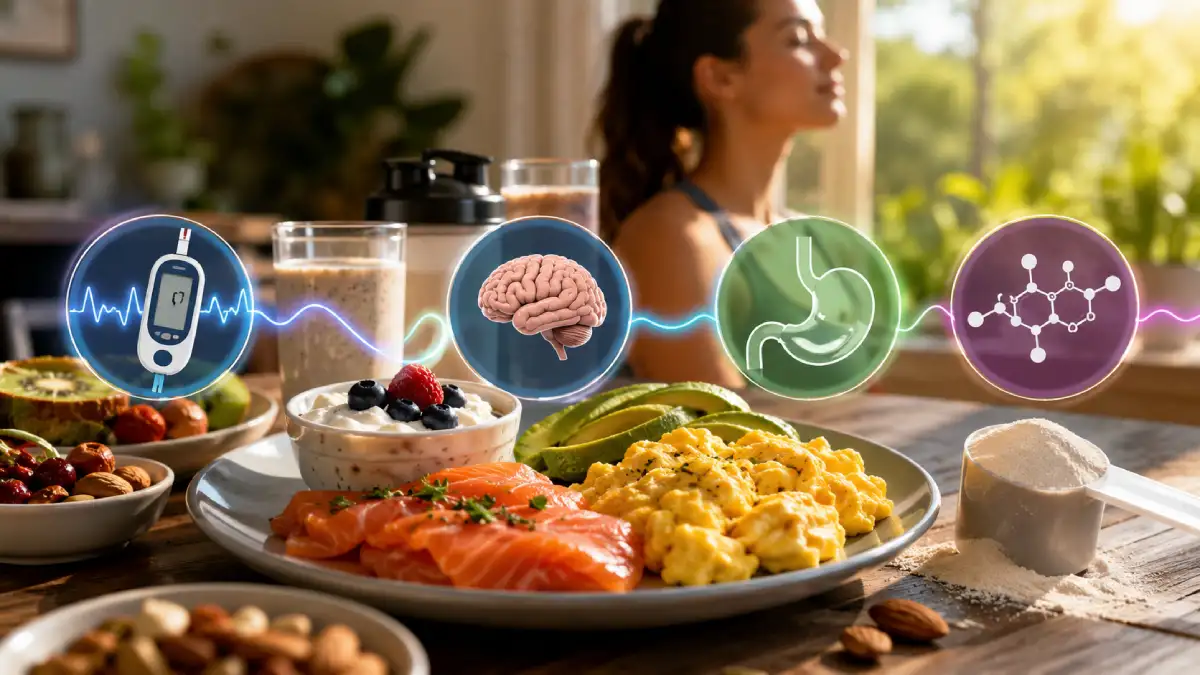
Your 4 p.m. slump probably isn’t a blood sugar drop. It’s mostly your body clock, your night’s sleep and your lunch. Yet the “healthy” snack market has found its answer: sell a “low-GI” bar for more than a piece of fruit to fix a dip that a ten-minute walk often sorts out for free.
If you’re genuinely hungry, there is a good snack for you. Nothing magical: fiber, protein, a measured portion. Here are ten options—and, more importantly, a way to find out whether you need one.
The short answer
A dip around 4 p.m. doesn’t prove your blood sugar has “crashed.” Sleep propensity follows a circadian rhythm, with a natural drop in alertness in the afternoon, even without lunch. A short night, several hours sitting down, a heavy meal, caffeine withdrawal or normal hunger can make that feeling stronger.
If you’re genuinely hungry, a snack containing fiber, protein or both is often more filling than a cookie or sugary drink. It doesn’t need a glycemic index of zero. Above all, it needs to be portioned, well tolerated and suited to how long you have until dinner.
The ten options below aren’t foods “validated” against the afternoon slump by ten separate trials. They’re combinations consistent with the evidence on carbohydrate quality and satiety. Test them against having no snack, not just against a pastry.
Why glycemic index isn’t enough
The glycemic index, or GI, measures the blood glucose response after a portion containing 50 g of available carbohydrates, compared with glucose. The 2021 international tables show wide variation depending on variety, processing and cooking. They generally classify legumes, pasta and many fruits as low-GI, while grains and potatoes vary more.
GI doesn’t describe the portion you actually eat. It isn’t even particularly relevant to an egg, a sardine or nuts, which contain few available carbohydrates. In a mixed snack, protein, fat, fiber, grinding, ripeness and the previous meal all affect the response.
The glycemic load and glycemic index · FR are reference points, not moral verdicts on a food.
Before eating: hunger, sleepiness or inactivity?
Ask yourself four quick questions:
- am I gradually getting hungry, with a wide range of foods sounding acceptable
- am I mostly sleepy after a short night
- am I thirsty, or have I been sitting for more than two hours
- do I have symptoms consistent with genuine hypoglycemia and take a treatment that could explain it
The first two situations call for different responses. A ten-minute walk outside and a glass of water may improve alertness without making genuine hunger disappear. If you take insulin or glucose-lowering medication, follow the plan provided by your healthcare team. Confirmed hypoglycemia is treated with fast-acting carbohydrates, not slow-digesting almonds.
Ten snacks with a moderate glycemic impact
1. Plain yogurt and berries
Pair an unsweetened plain yogurt with a small handful of raspberries, strawberries or blueberries. Yogurt provides protein; fruit provides fiber and volume. Greek yogurt, skyr, fortified soy yogurt or another alternative can work, depending on tolerance and preferences.
Check added sugars rather than automatically choosing “0%.” Full-fat yogurt may be more filling, but it is also more energy-dense.
2. Apple or pear with nuts
A whole piece of fruit and a small handful of nuts make a portable snack. Leave edible skin on if it is washed and well tolerated. Nuts slow down eating and add protein, unsaturated fats and fiber.
Start with one piece of fruit and 15–20 g of nuts. Eating straight from a large bag makes it hard to judge the portion. If you’re allergic, replace them with yogurt or seeds you tolerate.
3. Hummus and raw vegetables
Two to three tablespoons of hummus with carrot, cucumber, pepper or radishes provide fiber and plant protein. Chickpeas generally have a low GI. Portion size still matters, but including them isn’t a metabolic flaw.
Store-bought hummus isn’t bad because it contains sunflower oil. Focus on comparing salt, oil quantity, ingredients and taste. A seed oil isn’t automatically “pro-inflammatory.”
4. Hard-boiled egg and tomatoes
One or two hard-boiled eggs with cherry tomatoes or cucumber make a low-carbohydrate, high-protein option. Eggs provide choline, but a snack doesn’t immediately produce more acetylcholine or a better memory.
Keep eggs chilled and don’t leave them in a warm bag for hours. For someone with low energy needs or dinner coming soon, one egg is often enough.
5. Plain edamame
A portion of cooked edamame provides protein, fiber and something to chew. Eat it cold or reheated, with little salt if your diet already contains plenty.
Soy foods are not xenoestrogens. Soy allergies exist, and some people with irritable bowel syndrome don’t tolerate the portion well. Adjust rather than force it.
6. Fromage blanc and chia seeds
Mix around 100–150 g of plain fromage blanc with a teaspoon or tablespoon of chia seeds, depending on your tolerance. Let the seeds hydrate. Increase gradually if your diet is low in fiber.
Chia gel may increase satiety, but it doesn’t guarantee you’ll feel full for four hours. Drink normally and avoid swallowing a large quantity of dry seeds.
7. Whole-grain bread and soft cheese
A small slice of dense whole-grain bread with soft cheese, a tofu spread or peanut butter with no added sugar is often more satisfying than a puffed grain cake. Bread provides carbohydrates, but the aim isn’t to ban them.
Look for bread with wholemeal or whole-grain flour near the start of the ingredient list. A dark color doesn’t prove it’s high in fiber.
8. Roasted chickpeas
A small portion of roasted chickpeas provides crunch, fiber and protein. Prepare them with spices and a measured amount of oil. They are still more energy-dense than raw vegetables, which may be useful after exercise but less so just before dinner.
Roasting doesn’t remove all the carbohydrates, nor should it. The benefit comes from the legume’s food matrix and the portion size.
9. Sardines and rye bread
Half a small can of sardines with a slice of rye bread or a few tomatoes works after an active day. Sardines provide protein, variable amounts of vitamin D, calcium when you eat the bones, and omega-3 fatty acids.
They don’t “instantly reduce inflammation.” Watch the salt and vary your fish choices. A fish snack is mainly a practical option when dinner is late.
10. Dark chocolate and plain yogurt
One or two squares of dark chocolate with plain yogurt satisfy a chocolate craving without turning the snack into a whole bar. Cocoa percentage isn’t enough: compare portion size and sugars too.
Chocolate contains theobromine and a little caffeine. If you’re sensitive or struggle with sleep, choose this option earlier or replace it. You don’t need a promise of cerebral vasodilation to justify eating something you enjoy.
Fix lunch before adding a snack
If hunger returns every day two hours after lunch, look at that meal first. A lunch consisting only of white bread, a sugary drink and dessert provides little protein or fiber. Conversely, a very large meal, or one high in alcohol or fat, can increase sleepiness without causing hypoglycemia.
For one week, build a lunch that includes these elements:
- a source of protein suited to your appetite
- at least one portion of vegetables or a whole piece of fruit
- a portion of starchy food matched to your afternoon activity
- water as your main drink
Don’t automatically cut carbohydrates. An insufficient portion after an active morning or before a workout may simply shift hunger to 4 p.m. The best test compares two lunches with similar portion sizes, one higher in fiber and minimally processed foods.
Caffeine deserves a review too. A large morning coffee can mask sleep debt, then wear off just as the circadian dip arrives. Another dose at 4 p.m. sometimes improves alertness but may delay sleep, creating the same problem the next day. If you consume caffeine, set a cutoff at least six hours before bedtime.
How to choose based on your needs
The time until your next meal can help you decide:
- dinner in less than two hours: fruit, yogurt or a small portion of raw vegetables and hummus
- dinner in three to four hours: a snack with around 10–20 g of protein, depending on your needs
- after a workout: add enough carbohydrate rather than chasing the lowest GI
- a sedentary day with no hunger: no snack needed
A review of higher-protein diets concludes that they may improve satiety and weight management in some contexts. That doesn’t turn every protein snack into a weight-loss tool. If you add it every day without reducing hunger or meal intake, it simply adds energy.
Adapt the portion to the person
The suggested portions are starting points for an adult, not prescriptions. A growing teenager, a pregnant person, a manual worker or an athlete may need a more substantial snack. Conversely, someone with a small appetite and an early dinner may prefer a single piece of fruit.
Don’t chase the lowest GI at the expense of a very high-calorie snack that doesn’t fill you up. Nuts, cheese and chocolate are nutritious but energy-dense. Measure a portion first, then adjust based on hunger before dinner, weight trends if relevant, and activity level.
A seven-day test
To find out whether a snack solves your problem, keep the experiment simple.
For two days, observe without changing anything. Record lunch time, what you ate, the previous night’s sleep, caffeine, hunger out of 10 and alertness out of 10 at 3:30 p.m. and then 5:30 p.m.
Over the next five days, alternate these conditions:
- one day without a snack, with a ten-minute walk
- two days with a chosen, pre-portioned snack
- one day with your usual snack
- one day with your usual lunch but sleep and caffeine kept as consistent as possible
Reassess at 5:30 p.m. The right option reduces hunger without leaving you feeling heavy, doesn’t trigger automatic grazing and still fits with dinner. If sleepiness persists without hunger, focus instead on sleep, breaks and light.
When fatigue deserves a checkup
Significant daily fatigue shouldn’t be managed indefinitely with snacks. See a doctor if it persists, worsens or comes with shortness of breath, weight loss, unusual thirst, frequent urination, palpitations, heavy periods, snoring with pauses in breathing or sleepiness at the wheel.
Sweating, trembling, palpitations, confusion or feeling unwell should prompt blood glucose measurement when indicated and following medical guidance. In someone without diabetes, diagnosing hypoglycemia requires linking symptoms, measured low glucose and improvement after correction. Fatigue alone isn’t enough.
The Verdict
The best snack isn’t the one that keeps insulin “close to zero.” It’s the one that meets genuine hunger, in a sensible portion, without ruining your digestion or dinner.